
Key Takeaways
- Comfort starts before the vehicle leaves the driveway.
- Regular breaks help reduce stiffness, fatigue, and backseat restlessness.
- Water, snacks, activities, and personal items should be easy to reach.
- Children need proper restraints, simple routines, and age-appropriate entertainment.
- A flexible schedule is usually more enjoyable than rushing to arrive.
- Every comfort choice should preserve visibility, seat belt fit, and driver focus.
Long family drives can create great memories, but hours in a vehicle can also bring stiffness, hunger, boredom, and impatience. A little preparation helps everyone arrive in a better mood. Before mapping your route or loading bags, learn more about planning a comfortable ride that meets every passenger’s needs. Thinking ahead can make the journey easier for children and adults alike.
The best approach balances convenience with safety. A well-organized cabin, a realistic schedule, regular stops, and a few flexible activities can make the drive feel like part of the vacation rather than a stressful obstacle before the destination. Small adjustments along the way can help the entire family stay comfortable, relaxed, and ready to enjoy the trip.
Plan for Comfort Before Leaving
A comfortable road trip begins with a realistic timeline. Estimate the drive time, then add time for fuel, meals, restroom stops, traffic, weather, and unplanned delays. Families traveling with younger children, older adults, pets, or passengers with mobility needs should build in even more flexibility.
Check the route for rest areas, grocery stores, parks, scenic overlooks, and safe places to stop. Keep a small bag within reach with tissues, wipes, chargers, medication, sunglasses, and a change of clothes. The night before departure, confirm reservations, charge devices, refill water bottles, and place essential items where they will not require digging through luggage.
Driver fatigue deserves the same attention as fuel and directions. The warning signs of drowsy driving include drifting over lane markings, missing signs, and struggling to remember the last few miles, all of which mean it is time to stop and rest.
Set Up Each Seating Area
Small adjustments can make a major difference over several hours. Start with a clear floor and secure loose belongings so passengers have room for their feet, and the driver is not distracted by items sliding around the cabin.
Driver Comfort
- Adjust the seat so the pedals are easy to reach without stretching.
- Set mirrors, steering wheel position, temperature, and navigation before departure.
- Wear shoes that provide reliable pedal control.
- Keep water and necessary items accessible without placing them in the driver’s footwell.
Passenger Comfort
- Give each person a small bag or organizer for books, headphones, and snacks.
- Use a light blanket or small pillow only when it does not interfere with a seat belt or child restraint.
- Keep wipes, tissues, and a trash bag easy to reach.
- Use window shades when glare or direct sunlight becomes uncomfortable.
Build Breaks Into the Route
Many families benefit from stopping about every two to three hours, although the right schedule depends on who is traveling. A short pause can prevent a long stretch of complaints, cramped legs, and driver fatigue. It is often faster overall to take a useful break than to push through until everyone is uncomfortable.
A Useful Break Routine
- Park in a safe, well-lit location.
- Use the restroom and drink water.
- Walk for five to 10 minutes.
- Gently roll shoulders, stretch calves, and reset posture.
- Check that seat belts, bags, and child restraints are secure before leaving.
Not every stop needs to be purely practical. A playground, picnic area, brief scenic walk, or casual meal can give children a positive milestone to anticipate and give adults a mental reset.
Pack Food and Drinks That Travel Well
Thoughtful snacks prevent hunger without turning the vehicle into a mess. Pack simple foods in small portions and encourage eating while parked whenever possible, especially for younger children. A cooler can hold yogurt packs, cheese sticks, fruit, wraps, and other items that need to stay cold.
- Water in spill-resistant bottles
- Easy-to-peel fruit and cut vegetables
- Whole-grain crackers and cheese sticks
- Simple sandwiches or wraps
- Individually packed snacks for children
- Napkins, hand wipes, and resealable bags
Label special snacks if anyone has allergies or dietary needs. Avoid foods that are especially crumbly, sticky, hard to manage, or likely to create choking concerns in a moving vehicle.
Create a Balanced Entertainment Plan
Entertainment works best when it includes variety. Screens can be helpful on a long drive, but music, audiobooks, travel games, conversation prompts, and quiet time keep the cabin from feeling overstimulating. Download shows, playlists, and audio before leaving in case the signal is weak along the route.
- Young children: Soft toys, sticker books, picture books, and short audio stories.
- Older children: Trivia, podcasts, audiobooks, and travel-themed games.
- Teenagers: Playlists, reading, photography challenges, and helping with navigation.
- Adults: Shared music, podcasts, conversation, and scenic stop planning.
Set screen expectations before departure, then rotate activities every 60 to 90 minutes if needed. Giving children a few simple choices, such as selecting the next audiobook or snack, can reduce arguments without putting them in charge of the entire schedule.
Reduce Stiffness and Motion Sickness
Long periods of sitting can leave passengers sore and restless. Encourage everyone to shift posture, move their ankles, and relax their shoulders during longer stretches. Walking during stops is also a simple way to break up the day.
For passengers prone to motion sickness, a cool cabin, fresh air, and a clear view outside can help. Looking toward the horizon may feel better than reading or using a screen. Bring water, tissues, disposable bags, and any medication recommended by a qualified health professional. Recurring pain, circulation concerns, or severe nausea should be discussed with a clinician before travel.
Keep Comfort Choices Safe
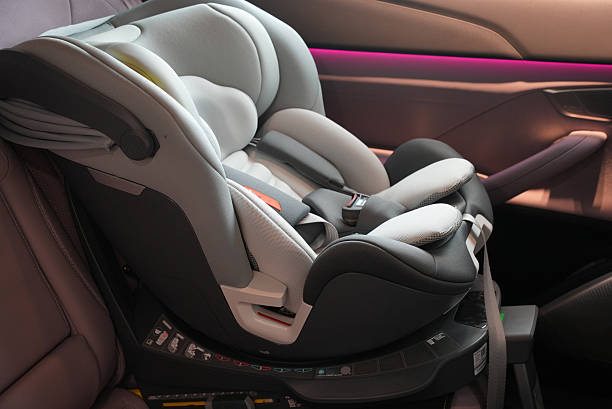
Comfort should never weaken crash protection. Everyone should remain buckled for the entire ride, and luggage, devices, toys, and pet supplies should be secured. Avoid adding thick padding behind children in car seats unless the seat manufacturer specifically allows it.
Families should follow age- and size-appropriate child restraint guidance and check that every child is properly buckled before each leg of the trip. Children should not be left alone in a vehicle, even briefly.
Most importantly, treat tiredness as a safety issue, not a scheduling problem. If the driver is sleepy, distracted, dizzy, or unable to focus, pull over in a safe place, switch drivers if possible, or stop for the night.
Final Thoughts
The best family road trips are not measured only by arrival time. A comfortable seat, calm snack routine, regular movement, and flexible expectations can make the journey easier for everyone. When safety and comfort guide the plan, the drive becomes a meaningful part of the trip.
