
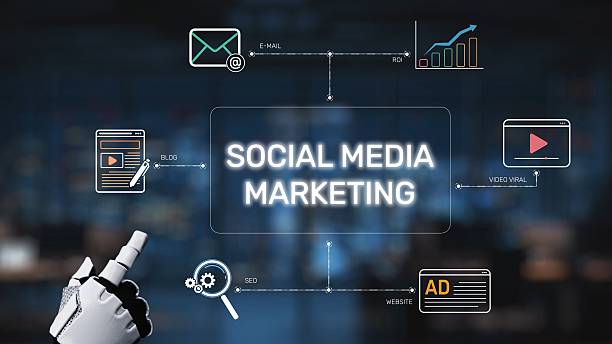
Why Most Social Media Marketing Does Not Work
The social media marketing failure mode that consumes the most time and budget with the least return: producing content for social media without a clear understanding of how that content connects to business outcomes. The company that posts three times per week because social media experts say you should post three times per week, measuring success by follower count and engagement rate without any connection to revenue or lead generation, is producing social media content — not social media marketing. The distinction matters because one of these is a business activity and the other is a digital hobby with a logo.
The social media marketing that produces genuine business value shares specific characteristics: it reaches the specific people who are potential customers for the business’s products or services, it demonstrates the business’s capability or value in ways that give those people a reason to engage further, it moves engaged audience members toward a conversion action — email subscription, lead form, direct purchase — that has a documented connection to revenue. The social media presence that does all three of these things is marketing; the one that does none of them is brand building at best and vanity at worst.
Platform Selection: Where Your Customers Are
The social media platform decision should be driven by where the specific target customer spends time and how the business’s content and message can best be conveyed on each platform’s format and culture. The B2B professional services firm whose customers are business executives makes a different platform choice than the direct-to-consumer fashion brand whose customers are young adults; the food blogger makes a different choice than the industrial equipment manufacturer. There is no universally correct platform — there is only the platform where the specific target customer is most active and most receptive to the specific content the business can produce.
The most common social media platform mistake: trying to maintain a meaningful presence on five platforms simultaneously before any one platform has demonstrated results. The social media presence that is thinly distributed across Instagram, LinkedIn, Twitter, TikTok, and Facebook produces five inadequate presences rather than one strong one. The platform concentration discipline — building one platform to meaningful audience size and business impact before expanding to a second — produces better results with less resource investment than the spray-and-pray approach.
Content That Builds Audience and Business
The content types that most consistently build engaged social media audiences that have genuine business value: educational content that demonstrates expertise and provides specific, useful information to people who have the problems the business solves, behind-the-scenes content that humanises the business and creates the interpersonal connection that pure promotional content cannot, and social proof content — customer stories, case studies, testimonials — that demonstrates the business’s capability through third-party evidence rather than self-promotion.
The content format advice that most specifically improves social media business results: lead with the value, not the ask. The social media post that provides genuinely useful information and then, either in the same post or in a follow-up content journey, connects that value to the business’s offering is converting attention into business opportunity in the most natural and effective way. The post that leads with a promotional message and provides no independent value asks the audience for attention without offering anything in return — and social media audiences, habituated to abundant content options, do not give attention without a reason.
The Algorithm and How to Work With It
Every major social media platform uses an algorithm to determine which content reaches which audiences, and understanding how these algorithms work — at least at a general level — helps social media marketers make better content decisions. The factors that most consistently drive organic reach across platforms: early engagement rate on a post, which signals to the algorithm that the content is worth showing to more people; content format preference, which on most platforms currently favours video over static images and static images over text; and posting frequency and recency, which signals to the algorithm that the account is active and worth surfacing in feeds.
The algorithmic reality that most social media marketers underestimate: organic reach on most major platforms has declined significantly over the past decade, and most content from most accounts reaches a small percentage of their followers. The business that invests in social media marketing without a clear plan for how to convert the small organic reach available into business outcomes is investing in a channel whose declining organic economics make it less efficient over time. The businesses that make social media marketing work combine organic content with strategic paid amplification of the content that demonstrates the strongest organic performance.
Converting Social Media Audience Into Business
The social media marketing outcome that most commonly disappoints relative to the effort invested: converting social media followers into customers. The disconnect is explained by the fundamental difference between social media following and buying intent. The person who follows a brand’s Instagram account because they enjoy the content is expressing a form of interest, but not the kind of interest that translates directly into purchase without intermediate steps. The conversion path from follower to customer requires deliberately designed intermediate steps: driving followers to an email list that can be marketed to directly, to a website with purchase conversion capability, or to a lead capture mechanism that begins a sales conversation.
The social media conversion strategy that most consistently produces business results: treating social media as an audience aggregation mechanism rather than as a sales channel, and building the email list and direct relationship with that audience rather than relying on the platform to maintain the connection. The brand with one hundred thousand social media followers and a ten-thousand-person email list has fundamentally better marketing reach than the one with the same followers and no email list — because the email list is a direct, platform-independent connection to people who have demonstrated enough interest to opt in, and email converts to purchase at substantially higher rates than social media content.
