
Not every manufacturer offering process equipment operates with the same depth of capability behind the scenes. Understanding what genuinely separates a well-equipped manufacturing operation from one relying largely on outsourced fabrication helps buyers make a far more informed decision before committing to an order. The differences may not always be obvious from a quotation or product catalogue. Engineering resources, production facilities, inspection procedures and the ability to manage specialised requirements can all influence the consistency of the finished equipment. Looking beyond the final product therefore provides useful insight into how a manufacturer is likely to manage a project.
Design Capability as the Starting Point
Design capability establishes the technical foundation for everything that follows during manufacturing. A strong engineering process considers operating conditions, material requirements, equipment dimensions and practical installation requirements before fabrication begins, helping ensure that production is based on a properly reviewed design rather than assumptions.
In-House Engineering Review
A manufacturer with dedicated engineering staff can review process conditions properly and adjust designs accordingly, rather than working purely from standard templates regardless of how well those templates fit the actual application.
In-house engineering can also make communication between design and manufacturing teams more direct. Questions that arise during fabrication can be addressed with greater continuity when the people responsible for the technical design remain closely involved. This can help reduce unnecessary revisions and improve control over the final specification.
Simulation and Calculation Support
More capable operations use calculation tools to verify sizing and performance before fabrication begins, catching potential issues on paper rather than discovering them during testing or, worse, after installation.
Calculation and simulation work can be particularly useful when equipment must operate within defined pressure, flow or temperature conditions. Reviewing these factors before manufacturing allows potential design limitations to be identified while modifications are still practical, rather than relying on testing alone to reveal shortcomings.
Fabrication Capability
Physical manufacturing capability, including machining precision, welding certification and material handling, determines how consistently equipment meets its intended specification across multiple units. Companies relying heavily on subcontracted fabrication often struggle to maintain the same consistency batch after batch.
The availability of suitable machinery and experienced fabrication personnel also affects how well specialised requirements can be controlled. Material traceability, dimensional inspection and welding procedures need to remain consistent throughout production. These controls become particularly important when equipment is manufactured for demanding process environments with limited tolerance for fabrication variation.
Specialised Product Lines Worth Checking
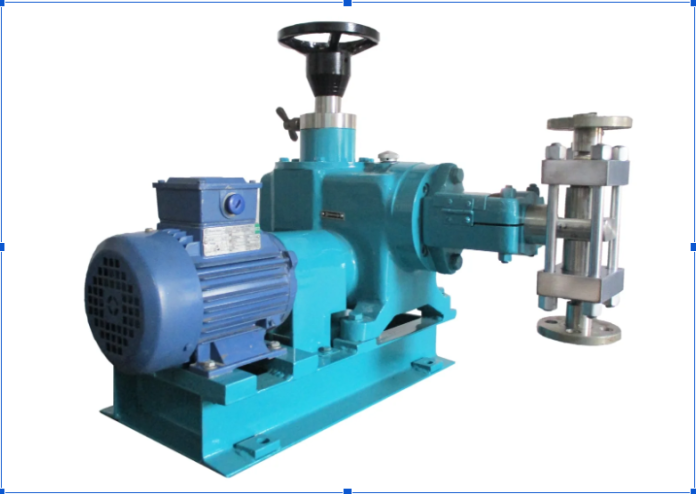
Broader capability often shows up in how well a company handles less common equipment types. A plunger metering pump, for instance, requires precision machining and careful material selection for high-pressure, low-flow applications, and not every general-purpose manufacturer maintains genuine expertise in this narrower category.
A plunger metering pump may also involve requirements that extend beyond basic pump construction, including sealing arrangements, pressure handling and controlled fluid delivery. Buyers assessing specialised equipment should therefore look for evidence that the manufacturer understands the particular operating demands rather than simply listing the product within a broader catalogue.
Why This Matters for Buyers
Companies confident in specialised product lines like this typically have engineering staff experienced with the specific challenges involved, from seal design to pulsation control, rather than treating it as a minor variation of standard pump offerings.
This specialist knowledge can influence decisions about materials, component tolerances and operating configuration. It can also make technical discussions more productive during specification, particularly where the application involves unusual pressures, low flow rates or demanding process fluids that require closer attention than standard equipment typically receives.
Quality Systems and Testing
Consistent documentation, traceable material certification and standardised testing procedures across every order are strong indicators of a mature manufacturing operation. Buyers should look for these practices as a matter of course rather than needing to request them specifically.
Testing should provide clear evidence that the finished equipment meets the agreed requirements before it leaves the manufacturing facility. Quality records, inspection reports and material certificates can also provide useful references during installation and future maintenance, particularly when equipment forms part of a larger process system.
A Practical Way to Assess Capability
- Ask about the balance of in-house versus outsourced fabrication
- Request evidence of design calculations for the specific application
- Check experience with any specialised product lines relevant to the project
- Review standard quality documentation practices
These questions can help buyers understand what sits behind the manufacturer’s stated capabilities. When comparing oil and gas equipment manufacturing companies, it is useful to assess engineering resources, production controls and quality procedures together rather than relying on product range or pricing as the primary indicators of manufacturing depth.
A consistent assessment process also makes it easier to identify differences between manufacturers before an order is placed. Reviewing technical resources, fabrication arrangements and documentation standards can provide a clearer picture of how effectively a company is equipped to manage the requirements of a particular project.
Looking Beyond the Product Catalogue
The capabilities of oil and gas equipment manufacturing companies can vary considerably even when several suppliers appear to offer similar products. Buyers should consider whether the manufacturer has the personnel, facilities and technical processes needed to support the equipment from initial design through fabrication, testing and final delivery.
This broader assessment is especially relevant for projects involving custom dimensions, specialised materials or equipment intended for demanding operating conditions. A supplier with stronger internal capabilities may be able to coordinate technical changes more effectively and maintain greater consistency between the approved design and the finished equipment.
Conclusion
The capabilities sitting behind a manufacturer’s quote, from design review through to specialised fabrication expertise, ultimately shape how well equipment performs once it reaches site. Looking closely at these capabilities before ordering avoids relying on assumptions that may not hold up in practice. NND OIL & GAS maintains this depth of capability across both standard and specialised equipment lines.
